Best Tires
Free shipping
Best price guarantee
SimpleCrew exclusive savings
0% APR Financing
Tire replacement coverage
24/7 roadside assistance
Easy returns

All-season tires represent one of the most practical innovations in automotive technology, offering drivers a single tire solution that performs adequately across spring showers, summer heat, autumn leaves, and light winter conditions. These versatile tires eliminate the hassle of seasonal tire changes while providing reliable traction and handling throughout the year.
The tire industry has invested heavily in developing advanced rubber compounds and tread designs that maintain flexibility and grip across a wide temperature range. Modern all-season tires now deliver performance levels that would have seemed impossible just a decade ago, with some models even earning the coveted Three-Peak Mountain Snowflake certification for severe snow service.
Choosing the right all-season tire requires understanding how these tires achieve their versatility and which features matter most for your specific driving needs. Whether you prioritize comfort, longevity, wet weather performance, or value, today's market offers exceptional options that can transform your driving experience while simplifying tire maintenance.
Last updated 4/23/2026 - Originally published 10/09/2023
Written by SimpleTire, Expertly reviewed by Brett Antosh
What Are All-Season Tires and How Do They Work?
Understanding All-Season Tire Technology
All-season tires achieve their year-round capability through carefully engineered rubber compounds that remain pliable across a broad temperature spectrum — typically from near freezing to over 100°F. Unlike summer tires that stiffen in cold weather or winter tires that wear rapidly in heat, all-season compounds use special polymers and silica blends that adapt to changing conditions. This temperature stability allows the tire to maintain consistent contact with the road surface, ensuring predictable handling whether you're navigating a rainy spring morning or a hot summer highway.
The tread design of all-season tires strikes a deliberate balance between conflicting performance requirements. Moderate tread depths — usually starting between 9/32" and 11/32" — provide enough void space to channel water and slush while maintaining sufficient rubber contact for dry road grip. The tread patterns incorporate multiple elements: circumferential grooves run continuously around the tire to evacuate water, lateral notches help bite into snow, and sophisticated siping (thin slits cut into tread blocks) creates additional edges for wet and light winter traction.
Key Components That Make All-Season Tires Versatile
The architecture of an all-season tire reveals engineering solutions to complex physics challenges. Most modern designs use either symmetrical or asymmetrical tread patterns, each offering distinct advantages:
- Symmetrical patterns: Feature identical tread designs across the tire's width, allowing rotation in any direction for maximum wear distribution and longevity
- Asymmetrical patterns: Incorporate different tread zones — typically a solid outer shoulder for cornering stability and an open inner section for water evacuation
The contact patch, where rubber meets road, undergoes constant optimization through computer modeling and real-world testing. Engineers shape tread blocks and void ratios to maintain consistent pressure distribution across the footprint, preventing irregular wear while maximizing available grip. Advanced designs even incorporate variable-pitch tread blocks that reduce harmonic resonance, creating a quieter ride without sacrificing performance.
Shoulder design plays a crucial role in all-season tire versatility. Reinforced shoulder blocks provide lateral stability during cornering and help resist the deformation that causes excessive heat buildup. Many premium all-season tires feature interlocking shoulder elements that work together under load, maintaining shape integrity whether carrying a full passenger load or towing within the vehicle's rated capacity. This structural stability translates directly to confident handling and extended tread life — key factors that make all-season tires such a practical choice for everyday driving.
What are the Best All-Season Tires?
Pirelli Scorpion All-Season Plus 3 - Best overall All-Season tire
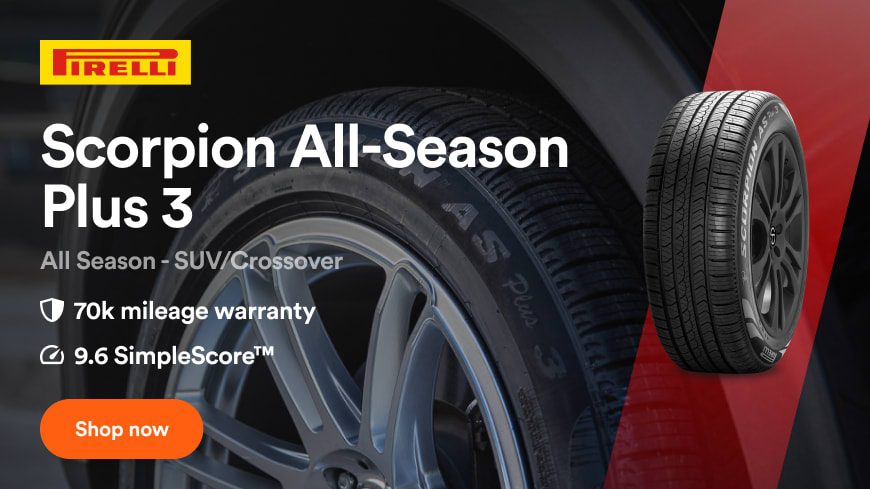
The Pirelli Scorpion All-Season Plus 3 is the best all-season tire on the market today. Backed by an overall SimpleScore of 9.6, the Scorpion All-Season Plus 3 is covered by a 70,000 mile warranty and excels in dry, wet, and light winter weather conditions. Ideal for crossovers and SUVs, the Scorpion All-Season Plus 3 provides superb braking, outstanding traction, and enhanced ride comfort year-round. If you drive a vehicle like a Toyota RAV4 and need a set of tires that can confidently handle any weather condition, then the Pirelli Scorpion All-Season Plus 3 is the perfect choice for you.
Continental TerrainContact H/T - Best All-Season truck tire

The Continental TerrainContact H/T is the best all-season truck tire on the market. With an overall SimpleScore of 9.1, the TerrainContact H/T features Continental’s TractionPlus+ technology for best-in-class traction, handling, and braking in dry, wet, and light winter weather. Backed by a 70,000 mile warranty and covered by Continental’s Total Confidence Plan, the TerrainContact H/T’s reinforced construction allows for better towing and durability, while its outlined white letter (OWL) sidewall provides eye-catching looks for select sizes. If you drive a Ford F-150 and want a tire that truly performs year-round, then the Continental TerrainContact H/T needs to be on your shortlist.
Goodyear Assurance ComfortDrive - Best All-Season comfort tire

The Goodyear Assurance ComfortDrive is the best all-season tire for passenger cars and those looking for an insanely comfortable ride. With an overall SimpleScore of 9.4, the Assurance ComfortDrive features a specialized nose-reducing tread pattern that eliminates road noises and vibrations for a quiet, comfortable ride. Rice hush and silica work together for better traction in dry, wet, and light winter weather conditions, while Evolving Traction Grooves with TredLock Technology fends off irregular tread wear for a longer tread life. If you drive a vehicle like a Honda Civic and want a quiet, comfortable, and long-lasting tire, then the Goodyear Assurance ComfortDrive is the right pick for you!
Great All-Season Tires to Consider
General Altimax RT45 - Great All-Season passenger car tire

The General Altimax RT45 is a great all-season tire, especially for passenger vehicles like coupes, sedans, and minivans. With an impressive overall SimpleScore rating of 8.9, the Altimax RT45 is covered by an up to 75,000 mile limited manufacturer tread life warranty and is backed by General’s Shield+ Protection Plan for extra peace of mind. Dense siping allows for great traction, handling, and braking in dry, wet, and light winter weather, and the Altimax RT45’s optimized footprint fends off irregular wear to help promote a longer tread life. If you’re looking for a great all-season tire and don’t want to break the bank, then the General Altimax RT45 should be at the top of your list.
Good All-Season Tires to Consider
Armstrong Blu-Trac PC - Best value all-season tire
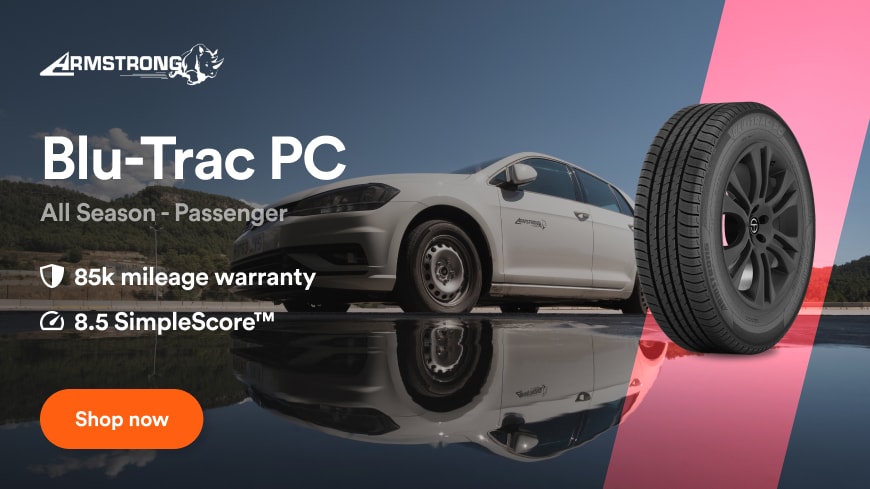
The Armstrong Blu-Trac PC is the best value all-season tire in 2026, thanks to its 8.5 SimpleScore and 85,000 mile warranty. Lateral grooves and chamfered edges lower rolling resistance for better fuel efficiency, and the tire’s wide grooves and self-locking sipes work together to boost traction, handling, and braking in dry, wet, and light winter weather. Starting at $43 per tire, the Blu-Trac PC also utilizes a dynamic inner rib technology that eliminates road noises for a quiet, comfortable ride. If you’re looking for the best value all-season tire on the market in 2026, then the Armstrong Blu-Trac PC is the tire for you!
Why are All-Season Tires Are the Smart Choice for Most Drivers?
Year-Round Convenience
All-season tires simplify the tire ownership experience by offering a single solution that functions well across multiple weather conditions. By choosing these tires, drivers avoid the disruption and expense associated with switching between summer and winter tires throughout the year. This not only saves time but also eliminates the need for storage and additional mounting fees.
Designed for moderate climates with light snow, all-season tires provide adequate grip and stability without requiring a seasonal swap. These tires are ideal for drivers who want a versatile option that performs reliably across varying conditions, offering peace of mind without the need for specialized tires.
Cost-Effective Performance
All-season tires often deliver excellent value due to their durability and long lifespan. With proper care, these tires last longer than many alternatives, reducing the frequency of replacements and lowering overall ownership costs. Additionally, the reduced rolling resistance of these tires contributes to improved fuel efficiency compared to winter tires, resulting in savings at the pump.
Numerous affordable all-season tire models provide impressive performance without a hefty price tag. These options enable drivers to benefit from cutting-edge tire technology without the expense associated with top-tier models. With competitive warranties and performance assurances, all-season tires represent a practical investment for drivers seeking reliability and cost-effectiveness in their tire choice.
What are the top Features to look for in Quality All-Season Tires?

Tread Design and Depth
The architecture of an all-season tire significantly influences its performance and durability. Prioritize models with substantial tread depth — around 10/32" or more — to enhance longevity and boost the tire's ability to manage water dispersion, thus minimizing the risk of skidding on wet surfaces. Many high-quality designs feature interlocking tread blocks that stabilize the tire during maneuvers and maintain traction across diverse conditions. Warranty terms provide an additional layer of assurance regarding tread design quality. Premium all-season tires often come with warranties between 40,000 and 80,000 miles, safeguarding against premature wear. Look for models with intricate siping patterns, as these small slits enhance grip during wet conditions, ensuring steady performance in challenging weather. Consider selecting tread patterns specifically engineered for reduced noise levels. Some tires incorporate unique design elements that disrupt sound waves, delivering a quieter driving experience. This focus on minimizing road noise contributes to a more comfortable ride, especially on longer trips.
Performance Ratings to Consider
Familiarity with performance ratings is crucial when selecting all-season tires that align with your vehicle's needs. The Uniform Tire Quality Grading (UTQG) system informs drivers about key attributes: treadwear, traction, and temperature handling. Treadwear ratings offer insights into a tire's expected lifespan, while traction ratings evaluate its stopping prowess on slippery roads. Temperature grades reveal a tire's ability to withstand heat buildup, vital for maintaining performance at highway speeds.
Speed ratings denote the maximum safe operational speed of a tire, with options ranging from S (112 mph) to Y (186 mph) and beyond. Selecting a speed rating that matches your vehicle's capabilities ensures optimal safety and performance.
Load index ratings are essential for understanding a tire's weight-bearing capacity, crucial for heavier vehicles like SUVs and trucks. This information helps ensure that your tire choice sufficiently supports the demands of your vehicle. For those dealing with snowy conditions, the Three-Peak Mountain Snowflake marker indicates that the tire is equipped to handle severe snow, offering added assurance in winter driving scenarios.
How do All-Season Tires Handle Different Weather Conditions?
Performance in Rain and Wet Roads
All-season tires stand out in wet conditions through their innovative tread designs that focus on channeling water efficiently. These tires are engineered with grooves that swiftly direct water away from the tire's surface, significantly reducing the likelihood of hydroplaning. This design enhances traction and stability, offering a safer driving experience during heavy rain.
Utilizing cutting-edge materials, these tires maintain their grip in wet environments, ensuring reliable performance. The compounds used in all-season tires adapt to temperature changes, which helps achieve shorter stopping distances. This adaptability also reduces spray, improving visibility for the driver and others on the road.
Best All-Season Tires for Snow
All-season tires offer dependable performance in light snow thanks to their unique tread patterns and sipes, which enhance grip on snowy surfaces. While they aren't a replacement for snow tires in extreme winter conditions, they manage everyday snow scenarios effectively. This makes them suitable for drivers in areas with intermittent snowfall who don't want the hassle of changing tires seasonally.
These tires are designed to be effective at lower temperatures, maintaining traction as the temperature drops. However, while they handle light snow well, they aren't intended for deep snow or icy roads, where dedicated winter tires are necessary for optimal safety.
Read more about the best all-season tires for snow
Dry Weather Excellence
In dry conditions, all-season tires provide steady and responsive handling, making them a reliable option for everyday use. Their tread design creates a stable contact with the road, ensuring smooth maneuvering and efficient braking. This feature is particularly beneficial during warmer months when dry road performance is crucial.
By minimizing rolling resistance, all-season tires enhance fuel efficiency and promote even tire wear. This efficiency is advantageous for drivers covering long distances, as it helps maintain consistent performance and comfort across varying temperatures. With their versatile capabilities, all-season tires ensure a comfortable and reliable driving experience throughout the year.
Making the Right All-Season Tire Choice for Your Needs
Assessing Your Driving Conditions
To choose the right all-season tire, begin with a nuanced understanding of your typical driving environment. If you reside in an area with mild weather, focus on tires that excel in efficiency and provide a smooth ride. For regions where rain and occasional snow are common, prioritize tires with enhanced traction features and water evacuation capabilities to maintain safety in varying conditions. Analyze how frequently and how far you drive — tires that offer longevity and fuel efficiency become crucial for those who clock substantial mileage regularly.
Consider the characteristics of your usual routes. Urban drivers, often navigating tight spaces and traffic, benefit from tires that offer agility and reduced noise levels. Conversely, those who spend significant time on the highway should look for tires designed to deliver stability and comfort at high speeds. Additionally, ensure the tire specifications complement your vehicle's requirements, particularly if you drive a heavier model that demands robust support for stability and performance.
Matching Tires to Your Driving Style
Your driving style significantly influences the ideal tire choice. For those who value a tranquil ride, select tires engineered for comfort, featuring designs that absorb road vibrations and minimize cabin noise. These tires typically use advanced materials that prioritize a quiet and cushioned experience, enhancing everyday commutes. Drivers seeking dynamic performance should consider tires that offer responsive handling and superior grip. These options are crafted with performance-focused compounds and tread designs that provide precise steering and quick reactions, ideal for those who enjoy a more engaged driving experience.
If you frequently drive long distances, opt for tires with extensive tread life and durability, ensuring reliability and cost-effectiveness over time. For those mindful of budget constraints, seek out tires that deliver consistent performance at an economical price point. These value-oriented options balance quality and affordability, making them a practical choice for budget-conscious motorists looking for reliable all-season capabilities.
Ready to find the perfect tires?
Search By